-->
Showing posts with label kolkata. Show all posts

Monday, January 23, 2017

Kolkata Diary - একটুকু ছোঁয়া লাগে একটুকু কথা শুনি


A visit to home city is incomplete if I don’t mention it here. This was one of those many visits which don’t need any preparations and planning. I was going to my home and visiting home doesn’t need any sort of invitation.
‘’Boro din’’ aka Christmas in Kolkata is a big festival. We were out one evening, a day before Christmas to get into the festive spirit this city has to offer. We went to Park Street, where all the buzz was centered. And what maddening rush, we came across there.The street was well regulated by traffic police.


It was sea of people and more people. We were literally walking like Penguins in waddle. And if someone gets lost there, a Hindi film- script writer can write a story revolving the separation caused by this maddening rush. Something like ….......
’’Park- Street ke Bheed mein bichde do bhai or bahan’’- (meaning is lost in translation).


Anyhow that is a different story, and our story is real. We were slowly absorbing the festivity. So many street hawkers selling various props, Christmas hats, face –masks, hair bands, and what not. Nobody can believe that almost all of them are non-Christians and they do celebrate Christmas like even Christians won’t celebrate in Europe. Total contrast as compared to western way of celebrating Christmas where people are mostly confided in their homes spending time with friends and family. And that’s the beauty of India lies- unity in diversity.
While, we were slowly moving and walking towards the other end of Park Street, dear daughter stopped at  iconic Oxford book store and purchased couple of story books from there.


We then went to Flurys to buy Christmas cake. The iconic Flurys was all decked up. There were many stalls selling different varieties of Christmas cakes.


Fruit cake, Red Currant and cranberries cake, date and walnut cake, plum cake etc. We picked date and walnut cake and while we were in queue to pay the bills, we happened to click few pics.


We even saw decorations throughout the city street while we were going to catch our flight back to KL.


 One more evening we went to Princep Ghaat, and were mesmerised by the sunset at Ganges.
The evening sky with all its colourful vigour, the magnificent Hooghly Bridge and river boats were painting a perfect sunset picture for us - misty and all dreamy.


Although we didn’t venture out for boat riding, but saw many couples going for boat rides. This time we noticed, boats were provided with life-jackets for passengers and a solar panel is installed on each boat hut to supply for the light in boat and we thought, whoever has planned this or came up with this idea, needs applause for that.


We had ice-cream cones from the street vendors selling ice-creams. While coming back to home, we stopped at 'Arsenal' to have our favourite biryani. This is something we always like to do – having biryani at 'Arsenals' is our must to-do-thing while visiting Kolkata... 

We had to queue up to get inside, but that’s not a problem at all for us. Biryani as usual was flavorful, fluffy and light and with nice aroma. We came back home tired with loads of memories for that day. 


Kolkata always surprises us with something new, although we were home-visiting but ended up being travellers there, exploring some new facets of life there.


This is it, we came back to KL, with all those splendid memories to cherish.

কথা ছিলো অনেক বলার , কিন্তু আজকে এই খানে  শেষ করলাম। ..............

We are also paying our sincere tribute To Netaji Subhash Chandra Bose on his 120 th birth anniversary ..May his legacy inspire many more future generations.

See you all soon with a new recipe post. You all take care. Have a great week ahead.

Sunday, January 15, 2017

Ranga Aloor Pantua- রাঙ্গা আলুর পান্তুয়া and Happy Makar Sankranti


A new year 2017 and I am here, with my first blog post of the year. Hope you all had fantastic New Year celebrations.
We visited our home city Kolkata during these holiday break. And that requires a separate post I reserve for some other day.


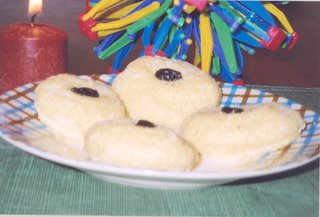
I will share a dessert recipe to start off New Year blog post-‘ Ranga aloor pantua ‘- sweet potato dessert, is one such traditional Bengali sweet recipe. I have blogged about the recipe way back in past as well. Here- back in 2009 . This post is however a recipe which is re-visited and with couple of additions. 
This recipe is simple, as it doesn’t have coconut stuffing which makes it similar to ‘Ranga Aloor Pithe’. Since we are observing ‘Poush-Parbon’ these couple of days, I thought it would be appropriate to write about Ranga Aloor Pantua- pantua as like Gulab Jamuns in Hindi.


Sankranti celebration is a big affair in every Bengali home- some, even extending it to 3 –days celebrations. Each day is marked with various types of Puley/pithe being made. I have blogged many recipes for Sankranti …
This archived blog-post has all those traditional recipes which one can make during these period.
To the recipe

Ranga Aloor Pantua- Sweet Potato Gulab Jamun- রাঙ্গা  আলুর পান্তুয়া 

Recipe requirements

10-12 purple sweet potato
¼ cup of plain flour
2 pinch of baking soda
1 and ½ tsp of cinnamon powder
3 cups of granulated sugar
2 cups of water
½ tsp of cardamom powder
Cooking oil for deep fry 
Method

  • Put a large saucepan with water and sugar on cooking.Add in cardamom powder. The water content should be reduced to half and the syrup will be slightly thick like to coat well the pantuas = gulab Jamuns.
  • Now pressure cook sweet potatoes. Take out , peel off the skin and let it cool a bit , so that you can work it through but don’t let it go cold otherwise it will be hard to mash up well.It would be nice if the mixture is lump free and smooth.
  • Now in a big mixing bowl, take the sweet potato pulp/mash, add in cinnamon powder.
  • Now mix in plain flour and pinches of baking soda, add flour to above mashed sweet potatoes, mixing in very well. Make small balls out of the dough.Be gentle in shaping these balls.
  • Put a heavy bottomed pan/kadai or deep frying pan to flames. Add in cooking oil, enough to deep fry these cute small balls.
  • Deep fry them for about 5-7 mints at medium-low flames or till they turn into nice brown in colour. Do not hurry this process otherwise they won’t cook well.
  • Transfer them all over kitchen towels, so that they absorb extra oil.
  • Now dunk them in sugar syrup and let the sugar syrup simmer slowly at low flame for couple of more minutes. Switch off the flame and cover.


Let it rest for about an hour. Serve and enjoy these delicious pantuas.

Some more Sankranti recipes

Till and Badam ki Mithai

Choshir payesh-on-sankranti

Dudh- Puli pithe


Again wish you all a very Happy  Makar Sankranti, Lohri, Pongal and Bihu.

Happy Cooking 

Wednesday, January 14, 2015

Choshi'r Payesh on Sankranti

The earth rotations evokes season, and with each passing season comes, the festivals that are particularly associated with that season. Winter, although proclaimed to be rather cold, kind of a villain in a film, but even then, there are many festivals, specific of these seasons which prepare us for celebrations. Last year in December we celebrated Christmas. Now it’s Lohri/Makar Sankranti/Pongal/Poush Parbon, actually these all are quite similar functions but with different names particularly region specific in India.
Wish you all a very happy Makar Sankranti, Poush Parbon, Lohri, and Pongal.


Being raised in a traditional family, those never-ending get-togethers, party and festivals, always sounded like a “Mela” to me. Every season has various festivals, and each festival was integral part of our family culture, even including Christmas. And once the New Year ushers in, it was soon time for “poush- parbon”, as in a typical, middle-class, joint Bengali family. Three days were important, every corner of the house was mopped and cleaned and then it was the usual routine of making various Pitha and pulley in our family kitchen. This goes same with my husband’s family. Although it was more rigorous, as it was so specific of Kolkata culture. For us probashi, it was lenient, in terms of cooking pitha or pulley.
My Ma-in-law observes Sankranti for two-three days. Each day a new type of pithey or pulley should be made, like- shoro Chakhali, ranga aloor pithey, Sedho pulley-pitha etc and must is nolen gur’er payesh.I have listed few Sankranti recipes over here.And Sankranti celebrations in my in-laws native’s place without nolen gur’er payesh, is incomplete. Now, My Ma who has  mix of both the world, I mean UP culture and Bengali culture, she makes Sankranti Khichuri and also one of the various pithey only on Sankranti day. For her, a Sankranti celebration is incomplete if she doesn’t make “Sankranti Niramish Khichuri” and “pati shapta”.
Today, I thought of sharing a long forgotten recipe, Choshi’r payesh.As it seems to me now with a vague memory, I can’t recall when was the last time I ate it, so forget about making it in my kitchen. Then I searched in internet, it added to my further disappointment.So, to be honest this is my first attempt of making choshi/chushi.As I can’t recollect the method, I called back home to ask my Ma to guide me with her recipe, while she was telling me about two possible way of making this. One was with atap chal/rice flour and other with khoya+maida.How ever, she is keen on making the choshi with khoya+maida, as it tastes more flavourful.
She herself has seen her grandmother – making “Choshi”- chushi, all from scratch, which obviously is a tedious process, as in those days, there was nothing called commercialization aspects of recipes. So, every home used to make home made rice flour or even making or shaping choshi with their hands. Once the Choshi were shaped and made, then it used to sun-dry. Once the choshi were sun-dried properly, on Sankranti eve or on one of the days during Poush Parbon, they would make Choshi’r payesh.Usually, it was first fried in ghee and when the milk has thickened with sugar or “nolen gur”, the choshi were slowly added to the simmering milk/kheer, finishing off with sprinkling crushed cardamom powder.My Ma has a very melodious and lyrical way of describing the act when the “choshi” should be added to the thickened milk in case it’s made with rice flour as once they are added , it tends to go soggy or fall apart in milk.Put the flame to med-high when you are about to add choshi   and ‘jokhon dudh ta “tog-bog” korey phute uthbe, tokhon chushi ke ashte korey dudh e chere dite hobe,anch ta bondo korey, er por chapa diye rakhte hobe.” (Ok I don’t need to translate that.)
That was a long process, and time –consuming affair. These days, when I don’t have much time on my hand, like many of you, I would suggest make it with “ready-made choshi” which are now easily available in various grocery stores in Kolkata during these Poush- parbon days. And in case you don’t have access to ready-made choshi, then read ahead and try to make it in your home kitchen. If a novice like me can do it, so you can.
Since I have made it with Milk powder+maida, I will just put a note about the Rice flour choshi pithey.All the process of making choshi pithey remains the same except just not making it with rice flour.

Note about Rice flour Chushi Pithey

Take about half cup of rice flour and knead it with lukewarm milk. After the dough has started to collect well, it will be soft to touch. Now divide in two portions. Roll each portion with the help of your palm and shape it like choshi. After the milk has thickened, add in sugar or nolen gur if using it. Let it dissolve completely. Fry the choshi in ghee, just barely to give them a nice golden colour at low flame. Add them in the thickened milk, cover and let it simmer for few minutes. Switch off, and let it cool.


Now to the method which we have made- (My Mother’s recipe)
Choshi’r payesh
Recipe requirements
For the choshi 
  • ¾ cup of milk powder
  • ¼ cup of maida/ flour
  • Or 1 cup of khoya+4-5 tbs of maida
  • 800 ml or  2 ½ -3 cups of whole milk roughly
  •  3-4 crushed cardamoms
  • 5-6 tbs of sugar or to taste or Nolen Gur as per taste
  • 3-4 tsp of ghee

Method
Chushi making and shaping
  • In a mixing bowl, mix in milk powder+ maida. Knead them well, with lukewarm water. Or you may use Khoya if you can get it fresh as that is what my mother uses it.
  • Now after it starts collecting well, divide the dough in to small portions. With clean hands, roll each portion in to a long rope, use some flour if the dough is sticky.
  • Each rope can then further be divided into portions. Roll each portions in to the shapes as depicted in the “how to shape picture”. Now usually at this time the Choshi is roughly 5-6 cm. You can go ahead and make it with this much long choshi. As you can see, I have further reduced the length to roughly 2 cm.Now put them to air dry for about an hour.Unused dough freezes well, and in case you want to fry them all, do so and store in fridge, consume within 2-3 days.Ok to be precise, if you can shape  like "Orzo pasta shape"  then that is nearly perfect.
  • Make other choshi similarly. Do not hurry, take time to roll the choshi, and shape them with gentle hands. The smaller they are chances are they won’t break in the thickened milk.

Now to making  payesh with Choshi
  • Meanwhile you are making choshi, put the milk on heat, Crush cardamoms, and add in to the simmering milk. When the milk has reduced (which at least require 30-35 mints at med-low flame, and stirring in between ), add in sugar.You can also add in nolen Gur, which gives that rustic touch to Choshi’r payesh.And I don’t need to write about the flavor.
  • Put a fry pan on heat; add in ghee/oil. Now fry the choshi on low flame, just barely giving them a nice golden to brown colour.We require about ¾  cup of choshi or two handfuls of home-made choshi.
  • When the sugar has completely dissolved, the milk tends to get thinner, even though it already has thickened earlier. Don’t fret; continue simmering another 10-15 mints. You will see the milk starts thickening again. At this point add in the fried Choshi to the thickened milk. Few minutes of cooking and stop cooking it further. Let it cool.
  • Refrigerate once it gets cooled; consume within 2-3 days. Enjoy the choshi’r payesh.

This is absolutely divine in taste, and if you can make it with nolen gur, I really don’t think, I need to write further.


Note-

Choshi’r payesh -the recipe above is how our home makes it, I don’t claim it to be traditional, as the traditional process is time consuming. If you are making choshi pithey payesh, then make it with rice flour. Although personally I will prefer the taste of choshi payesh, if choshi is made with khoya or milk powder.

Happy Cooking and have a  Happy Sankranti and Poush Parbon.....

Tuesday, September 3, 2013

My Kolkata Diary- "Kumartuli"

An unscheduled short visit to India was as fulfilling as a feeling one is endowed upon when receiving good food. And when it comes to a visit to home land even though it’s a short one, we all know, we go overboard and emotional. And reunions with relatives and friends are always filled with emotions. All said and done human without emotions is mere an extension of a lifeless machine.

We are now back and one more day, school holidays will be over, with that” back to routine phase” will soon start. So, now you know about my silence over here.


But then even with a short visit, we were thankful to God, that a major thing was sorted out and worked out. We had a chance to visit some of our favorite food joints and a lovely enthralling experience when we visited Kumurtuli. Although it rained heavily in Kolkata about a fortnight ago, which is nothing new as it is near to sea and any pressure gap if formed, results in heavy showers and thunderstorms- the ones which produces loud drum roll and rumbling noise. 

The entire city was brought to stand still and was water-logged due to this sudden heavy rain showers. We were home-bound most of the time, but to us home is where the heart is. We relished sweets, king of fruits Mango , and “Aata”- apple custard etc  and some of the green vegetables which we don’t get over here fresh and  easily like ,potol-parwal, jhinge-ridge gourd, borboti-yard long beans , and green brinjal etc…After many ages , I made real “alo-potol diye Pona mach’er jhal” – fish curry with parwal and potato and “begun bhaja” the ones with light green skin, and which always turn out the most juicy and flavorful brinjal fries. And I don’t have to re-iterate that there is no substitute of home-cooked food. Then I cooked other homely foods, the kind of food which is associated with being in Kolkata like - puin shaak (oh! And we don’t need to pay hefty price for puin shaak in Kolkata) kumro-pumpkin and top it all ilish/Hilsa fish- the king of fish with all that “tel” –oil which comes out after deep frying the Hilsa pieces. The only regret on our part was that it didn’t have eggs/fish roes. 


And we crave for fish roes here, now tell me who doesn't, but that was compensated when dear husband got everyday fresh Pona or Rui –Rohu fish roes sold in fish markets probably separately. Oh! Yes they do and they come little pricey as well, but then during this monsoon period, fish markets are flooded with fresh supply f fish roes.

We relished every bit of home-cooked food there particularly “puin shaak’er ilish chenchra” cooked by my father-in-law for us on one particular day and well our lunch that day was a delight. One can see the look on his face, the kind of satisfaction and a sense of achievement, but then these small gestures go a long way, and they always make good memories. I don’t have snaps but that taste of “Ilish chenchra”, is still lingering on and that image is captured in our mind. A memory I will always treasure.


“Kumartuli “as you all know is a must visit place in Kolkata, where splendid sculptures and clay idols are made and assembled. This time of the year- during August or in September, if you get a chance to visit now, you may come across, several beautiful and magnificent "protima"-clay-idols of goddess Durga along with her children, as soon it will be time for the Hindu festival of Nabaratri.


Actually we even get to see a Sri Ganesh ji idol in making  - as Ganesh Chaturthi is near .

And also Vasudev with Sheshnaag idol , but then Janamashtami – birth of eighth son of Devki and Vasudev – sri Krishna is celebrated as Krishna Janamashtmi and it has already way passed now.Although when we visited Kumurtuli this clay idol was in making process.


So, here I am sharing some of the snaps which I tried to capture quickly, like blink of seconds with my camera which is a P&S one.And trust me I would prefer my P&S over exuberant DSLR’s, as they are indeed very heavy and cumbersome to carry. All said and done , please don’t judge the snaps as if it was meant to be featured in photography competition, but seek beyond focal length, brightness and contrast- I mean technical nuisance , as each speak and conveys volumes about the soul of this city “Kolkata – a city of Joy” for you. I know people who live there or may be had a chance to live there or the expats, you all may reflect my views about this city. Right? Now where shall I start ….


Each day brings new opportunity to seek out new dimensions in ones life. We all worship clay idols, but if we could realize these are results of hard labour by gifted hands, we would even respect those hands that make these larger than life clay-idols. With “ganga-mati” – sands from river Ganga, some hay, some fine hand-made  crafts like “shola” works and we see beautiful idols which casts spell over us during Nabaratri.


Doesn't this "shola" work leaves you spellbound..........


Although these “Kumars” as they are known in Bengali- don’t live in overwhelming surroundings but still the spirit with which they work is beyond imagination. One has to see and get inspired by their dedication and determination part. 


It was raining heavily in the city, but they were working meticulously in their workshops probably in many cases overnight. These workshops are very dingy and small and inter-mingled in “Gali”-narrow lanes in Kumortuli.We felt speechless, when we saw many of them making "protima"-clay idols, which soon will be lively when filled with vibrant colours and all the decorations with hand-crafted accessories.


While there is a rhythm about everything that happens in a particular city, and Kolkata is no exception, with its old world charm that has that vibrancy which holds you captivated and which holds many forgotten traditions earnestly still,and on other hand it likes to flaunt modern values as well.Tradition and modernization go hand in hand here. 

On one hand one can see packets of puffed rice or cereals available in swanky and posh super-markets, and then on a contrary there is this small vendor fetching “muri”-puffed rice to many of its daily customers. The customers, who throng to this small vendor, are mostly allies just like him, who live on daily wages like the rick-Shaw walahs, news paper hawkers and many other grocery hawkers. 
Let’s not judge how much money they can earn or can change their life, but one thing for sure they know if they don’t work everyday they won’t be able to sustain much. 

Let’s just forget the hygiene part also, but one thing which I still believe that the puffed rice made by this vendor is much more flavorful than the ones available in those swanky super-markets. Put him in a good and clean environment, and I am sure he can produce even more flavored “muri”-puffed rice. This small time vendor still practices “that chira chorito-podhoti” – I mean the old method of deep frying the rice grains with some sand. The amount of stir/fry that is required to pop the rice grains or to make the perfect puffed rice, or the correct temperature etc, they all have been stored in his mind and he does that in auto mode as well while chatting up with fellow customers. 


I don’t think they need instructions from any source nor they have written or maintained a recipe diary for that matter. They don’t need temperature measuring equipment also, to let them know that rice has puffed or is done. This has probably come with experience and exposure or may be the trade secrets he must have inherited from his fore-fathers. 

One can see so many similar types of small vendors carrying on with their jobs and they serve the entire city.Let's not forget that the food we now like to call "street-food" is staple food for many perhaps. I really do think these people and the likes of similar people are responsible in keeping the street-food market alive, up and running in Kolkata. If you happen to talk to them, they will be very chatty and friendly. I would say sometimes it’s good to be reminded we don’t need gold machines but we do need these people to let us understand that happiness comes from within and with little, tiny things in life.


What makes a city vibrant, echoing and glowing? It’s the people who reside in that particular place irrespective of religion, color, caste or creed. A perfect position near sea, a fertile delta land and the moist climatic conditions-Kolkata is one city which is amalgamation of history, culture and all the modern trends. And this moist climate yields good ”Dhan”-Paddy crop as well.
Paddy yields rice which became an integral part of Bengali cuisine way back, and rice is staple food here. With rice comes all sorts of other preparation like "muri"– puffed rice, "chirey"-flaked rice, "sheddo chal"- parboiled rice and "atop chal"- the normal sona-masoori or basmati rice.We do eat parboiled rice mostly when-ever we are in Kolkata, the ones which we like is “Sita-saal’, not sure this time what variety we had though.And while we like to reserve our stock of “gobindo bhog” for “pulaos” and “payesh” only.


These yellow taxis will tell you about a past associated with a flourishing make of car here. The new chapter in every book comes with changes in consequences. And “paribarton” -change is inevitable, so one can now even notice -Dial –a –taxi or AC taxi parked near airports or train stations, although when in need these yellow taxis provide one of the most spacious car one can possibly think of.This time I was pleasantly surprised to see a clean and renovated airport as well,and yes they do have Café-coffee day over there, in case you need a quick snack or hot cappuccino. 

And yeah we even survived after having a vegetarian sandwich from one of the small food-café in the airport, clearly the hygiene part is well maintained, but what comes as shocker was the price-tag of the vegetarian sandwich or may be I was over-reacting.

I was not a tourist over here, but I ended up being one of them as I started to feel little out of the world there. Last time I got up on a shared auto , the daily up –down cost me few bucks , but this time while I was coming back home , the price has shot up, almost double each side of the travel. I really don’t see how common people manage there with this ever increasing cost of living, even cooking has become pricey as subsidy on LPG has been removed making it the most costly affair. There will be days when we will be investing in LPG more than gold.

We were in one of these yellow taxis one day and got to see few of these sweet-shops across our taxi window. Actually one can come across and see these sweet corners in every corner of the city, like mushroom grooming and growing in a far stretched field. Many go on to open chains of sweet corners and some of them are pioneers in this business. 
The place where we are now living has changed even more with metro construction going on full swing, many sweet-corners and grocery stores have been re-located. Our favorite sweet-corner has become inaccessible. We have to take two more rounds, making it even more congested with traffic and the driving itself is tiring. We missed the rasgullas from that sweet-shop very much. And since we were not getting any, I made rasgullas with cow milk, almost on a daily basis. And I couldn't believe when each time, they turn out very spongy unlike the ones I make here.


These sweet corners serve many people daily; one can see so many varieties of sweets, all neatly stacked one above other and tagged with price. I can’t imagine how much milk is being consumed daily by these sweet-shops to make lip-smacking sweets Kolkata- Bengali cuisine is famous for.
Kolkata has always fascinated me, it’s not just a mere city to us. I know there are places in Kolkata like Trincas or Flurry’s in Park Street – so-called posh ones or the Biryani food joints serving soft fluffy rice biryanis or flavorful kormas, where one has to queue up to take away their famous biryanis. 

Or the ones that serve kathi rolls at the other end of the park street can’t recall the name, but it’s a famous kathi-roll joint on Park Street.Or the famous China town where one gets to eat flavourful Indo -Chinese cuisine. Then there are confusing blocks or islands in Salt-lake in eastern fringes of Kolkata, which I am still getting used to and many times I do ask others to remind me the names of many blocks so that I don’t end up somewhere else. 
And then in north Kolkata, culture is slightly different from south Kolkata, up to an extent the cuisine is also diverse in these sections. North Kolkata has fair share of immigrants from other parts of India, particularly presence of a strong Marwari community.


And the central Kolkata has that Anglo-Indian influence and on another hand south Kolkata has more refined Bengali touch - many posh areas are scattered over here like Ballygunj or New Alipore etc.
 Then there are sects of Muslim culture in various pockets in Kolkata.And with such diverse population , the cuisine of Kolkata is even more diverse,from staple Bengali shukto, to Awadhi Biryani’s to “shudh shakahari bhojan” I mean vegetarian cuisine to Chinese Momos or dim-sums.The cuisine of Kolkata offers endless varieties to the people who come here to make a livelihood or are residents from many generations.
These days one can even see imported goodies in various big super-markets.


And then there is College Street, where there is no end to small shops or book Shops. You may even dig out old books from 60’s as well if you wish to do that. Or the pious silence near banks of river Hooghly. The mighty Hooghly bridge one and two both, just spent an evening quietly sitting near the Out-raam ghaat, watch the sun go down and then slowly see the light coming up on the Hooghly bridge while you relish some jhaal-muri. Or spent sometime in "Kumartuli" to appreciate those magnificent clay sculptures.


And probably there are hundred other ways to spend evenings or mornings in Kolkata and if I keep on writing, then this will become an endless rambling then.


I really don’t know why always there is as such, flooding of emotions when ever we visit or are in Kolkata. Every Street, every corner of the city has wrapped a layered story, a story which needs to be unraveled, may be the beauty of this city lies in some where there. Even though you are strolling somewhere in this city, but you still keep on discovering yourself slowly along with this city of joy i.e. Kolkata for you....

See you all with some recipes in next coming posts..Take care all.....


Sunday, November 11, 2012

Jibe Goja


“It’s the shape of this pastry, so the name jibe goja,” That’s what my thamma had once told me making them while I was hovering around with her in her kitchen during one of those festival days .Festival time mean loads of high calorie sugary things for most of us and these jibe gojas were just a part of big and elaborate menu. I don’t know if she really meant it that way or was in a jovial mood then, playing a sort of mischievous prank with me, you know how grand mom and grand dad can be when it comes inter-acting with their grandchildren. Leave aside the logic of shape, these are very addictive and if you can eat one, then you can’t stop eating it even more.


Many north Indians may recognize this with a similar pastry which they say “khaja” in Bihar and UP I guess. My Granddad once told me that it is also part of the prosad menu that is being served to Lord Jagannath in Puri, Orissa. I really intend to visit Puri someday, a magnificent place for spiritual awareness and growth.
Once my mother-in-law told me that jibe goja was part of Durga Puja goodies that were made in her “mamabari”,and also for bijoya that her jethima would make for the entire family. Now I don’t know if S remembers anything concerning his mamabari, but every child has soft corner for her or his “mamabari”.She told me that maida and chal goron are mixed together, kneaded into a dough and then they are rolled, cut and again rolled, deep fried, then lastly coated with sugar syrup.Once made they can lasts for 4-5 days, those 5 days were special in her mamabari also where these were part of elaborate Pujo cooking.
And my mamabari was in Bihar, so once when we were coming back, although it was very rare that we would visit our mamabari, first for the long distance and then it was Bihar! But these days Bihar has witnessed some real changes, all said and done, but it’s a long journey ahead.


Our Dadubhai had sent along with us a wooden basket full of “khajas”, which we relished while traveling back to home by train. Well trains were the only means to cover long distance then and who doesn’t like train journeys.It’s one of those faboulous experiences which makes every childhood memories strong and memorable.

Last time I heard anything related to my “mamabari” from my Ma was not so overwhelming thing for me.My didima is no more with us and she was the only connection that we had with our mamabari, with her sad demise, now it seems irrelevant to go back again there. Hopefully she is now resting in peace somewhere. She left us, leaving behind her legacy of irresistible –lip-smacking ranna/cooking skills. I really wish I can grab those recipe secrets, but it seems nearly impossible now.

But these days as I am far away from Kolkata, sitting here in UK, all I can do is make” jibe goja” in home, something which can help me connect to all those memories, people and places. Now if you know those layers of “khaja” or “jibe goja”, requires whole lot of ghee and dried fruits.I would never have obliged myself of those extra calories but since its festival time, just thought of making and writing it here.
Jibe Goja is obviously is small as compared to khaja, but still it requires generous amount of ghee –coating. I do feel if you can really use ghee or butter it adds up to the flavor. Many add rice flour to make it even crispier. I don’t know if it really makes any difference as the jibe gojas that I made didn’t have rice flour. I purposefully made them roll into thin rounds, so the layers can come along well like a normal pastry that tends to be flaky. Many will prick the jibe gojas before frying them so that they don’t puff up while they are frying, but I didn’t think so and didn’t prick them with fork as well. So many no, and still I was wondering if it really going to be edible or not. But when the end product was served, it was much relished.


There are other recipes in net – here and here, but this IBN live cooking show , caught my attention. My ma told me to make a little thick sugar syrup so that later on sugar crystallizes well which really made it even more crispy and crunchy and oh! Sugary also.
he recipe

Jibe Goja
Recipe requirements (measurements are approx)
  • 250 Gms or 2 and half cups of maida/all purpose flour
  • Quarter tsp of baking soda
  • Pinch of salt
  • 1 tsp of kalo jeerey/kalunji/Nigella seeds
  • For the sugar syrup
  • 2 cups of sugar
  • ½ cup of water
  • 1 and half cup of cooking oil for frying jibe goja and for moyen
  • 2 tbs of ghee or butter


Method

  • Sift the flour; add in baking soda, salt. Mix well.
  • Now add in 2-3 cooking oil this will be our “moyen”.Add in kalo jeerey/kalunji.Many add jowan/Ajwain, but I have skipped adding it.
  • Now knead it well with about little bit of water. Add in 1 tbs of oil in the mixing bowl, and place the dough over it. Leave it aside for half an hour. Note- often rice powder is added to make it even more crisp, now since I have added baking soda already, it was not necessary.
  • After half an hour come back again and knead the dough very well. This way it’s easier to knead the maida dough. Place it covered and let it sit for 1 hr.
  • Meanwhile
  • Prepare the sugar syrup
  • Heat up a saucepan, add in sugar and water and little bit of cardamom powder for a nice flavor.
  • Make sugar syrup, just like you would be making it for gulab jamuns or pantua but the syrup will be little thick.Add in quarter tsp of lemon juice when the syrup is done.
  • Now make approx 3-4 big balls out of this mixture.
  • Take one and roll into large disc. Spread evenly about a ½ tsp of butter over it. Start rolling from one end working towards the outer end. Now cut into small portions in equal size.
  • Roll each portion well to form long something similar like our tongue shape.
  • Deep fry them at medium flame each side till they change little Color and do not hurry this process, we want nice golden color and also the pastry should cook in the middle as well.
  • Now take it out and drain the excess oil over a kitchen towel or better use old news paper as it absorbs more oil.
  • Now dunk these in the sugar syrup, let it sit there for 7-10 mints, coat well the sugar syrup over these jibe goja.The sugar syrup will tend to go solid after some time, those sugar crystals add more crunch to the jibe goja.


Take out and store in air-tight containers, remains fresh for 1 week if stored this way .You can even keep them over kitchen counters or at breakfast table. No need to refrigerate.
These are excellent accompaniment when sudden  sweet cravings happens or pack some while you are traveling by trains.

Happy Cooking Friends

Friday, October 26, 2012

Coconut and White Chocolate Truffles, Shubho Bijoya and 6 years in Blogging


I don’t know about you, but deep down, Bijoyadoshami brings a sense of calmness and serenity with itself, to me. After all these never –ending engagements,get-together, Pushpanjali, Sandhi Pujo,cooking  up delicious dishes, eating in home or out ,gorging street foods, pandal hopping, cultural programme  etc which begins from the day of Bodhon  and extends up to the day of Mahanabami, Dashmi  somehow brings a sense of contentment within ourselves.


It’s never easy to bid good-bye to Ma Durga, but after "Baran" on Dashmi, everything around Puja Pandal seems to be serious, a feeling which even gets inside us. But Dashmi late evening, everything seems to ease out. It will be again a different atmosphere, joyous mood and laughter a midst all the fan-fare. That sinking feeling somehow tends to vanish with the onset of celebrations for Bijoyadashami.

Although I am little late but hopefully not that late, "better be late than never" ….

Wishing you all a Shubho Bijoyadshami and to my friends from other parts of India – Happy Dassehrah.

With this Bijayadashmi, Ma Durga eradicates all the darkness and evil that sprung up within ourselves or may surround us 
or intend to hover around us………..

Shubho Bijoya…..


We happen to catch-up with Ashtami Sandhi Puja live at Belurmath TV . They even have archived video-footage of Durga Puja from previous years also, if somebody is still interested.
This year we were mostly staying in our home, much to our dissatisfaction, we still haven’t recovered from our seasonal weather influences. Anyhow, that didn't stop us from making sweets for Bijoya dashmi.

I made some Dudh Peda  and these white chocolate snowballs or truffles also. I know Christmas isn't near but still festivity means some sweets and if it can be made quickly, then it really saves time. Actually thanks to Microwave, everything was quickly assembled.


Now to the recipe-
Coconut and White Chocolate Truffle- re-incarnation of Narkel’er naru
Recipe requirements
(Makes 8- 9 truffles approx)
  • 1 bar of luxury white chocolate or 150 Gms of white chocolate bar
  • 1 cup of tightly packed desiccated coconut
  • 2-3  tbs of cream
  • 2 tbs of water
  • 1 tbs of butter
  • Some dark chocolate bits for coating
  • 2-3 tbs of desiccated coconut for decorations

Method
  1. Break the white chocolate bar in small pieces. In a microwave safe bowl, add in 2 tbs of water, microwave it for 30 to 40 sec at full power, keep an eye we just want them soft , once they are soft and little bit melted , it’s easy to stir and add in cream.
  2. Take it out and then add cream into it, then stir it and mix well. Add in 1 tbs of ghee or butter.
  3. Add in 1 cup of tightly packed desiccated coconut into it.
  4. Now mix them very well with your hands. Wash your hands properly before mixing in.
  5. Now scoop it out 1 tb from the mixture and roll into small balls with your palms.
  6. Line up a greaseproof paper over a plate or baking tray, refrigerate it for 2-3 hrs.
  7. When they are solid and set properly, take them out.
  8. In a microwave safe bowl, melt in dark chocolate bits or any chocolate éclairs (in India you may even use 6-7 Cadbury chocolate éclairs)…
  9. Now coat the top of each snowballs/truffle with this dark chocolate, and then quickly roll thse trufles over desiccated coconut to coat or top it well.
  10. Store them in fridge to set them properly. Enjoy.
  11. Almonds truffles can also be made in similar way.
  12. Coarsely chop toasted almonds and mix in with white chocolate, top it up with crushed almonds instead of desiccated coconut.
Note-
I didn't have unsweetened raw coconut or shredded coconut  at the time of making this truffle, however if you can find them, they turn out even more flavourful.

*********************************************************************************

Below are few  more Bijoyadashmi recipes......

Ghugni - Without this our Bijoyadashmi was incomplete..........


 And last but very important- Narkel Naru- although this recipe is not made with gur/jaggery- which makes the somewhat patent dark colour narkel naru for Durga Puja , but still a narkel naru always remains special edged in our mind during these festival times.
Every year we will be making these narkel narus out of fresh narkel/coconut.This year also made above truffle, which seems quite similar with narkel naru to me, but with desiccated coconut.


.

And with this post , would like to say that this blog also turned 6 this year.Let me thank everybody who stop here to read this blog, or may have tried few recipes,left some comments or even drop a simple "Hi".......

And to all blogger friends who religiously check each post published from here.Six is a very long journey, glad I somehow managed it so far, how long will I be doing it that I don't know.And in these past years, even saw myself evolved as a person and a cook both.I am still learning and learning to me is a lifelong process, it never stops.So accompany me with this journey ahead, I know you all will, Won't you?.......

Without you readers, this blog is nothing, keep this going and once again Thank You to all.

With mishti mukh - Shubho Bijoyadashmi  everybody...........